Mostrando entradas con la etiqueta Bisbita costero. Mostrar todas las entradas

domingo, 23 de noviembre de 2014

Cisnes chicos y lechuza campestre

Aberdeen sigue sin defraudar, y eso que al llegar a casa tenía la sensación de que el día no había sido muy bueno en cuanto a  aves.

Hoy me he movido por la zona sur de la ciudad, un lugar llamado Nigg Bay y Girdle Ness. Esta zona es muy famosa en Escocia para aves, principalmente migrantes. Este mismo otoño ha tenido papamoscas papirrojo, curruca gavilana, muchos mosquiteros bislitados.... Y esto era lo que yo iba buscando, los mosquiteros bislistados.

No pude encontrar ninguno, aunque la ultima cita es del martes pasado, por lo que seguramente habrán abandonado el lugar. Tras revisar cada árbol y arbusto que encontraba sin éxito me dirijí hacia el mar un poco alicaído.


A pesar de que el día ha sido muy soleado la temperatura ha sido muy baja (unos 7º) y pasear al lado del mar se hacía duro. A medida que avanzaba el día la cosa se iba animando. Mi principal objetivo aquí era buscar escribanos nivales, pero no hubo suerte.

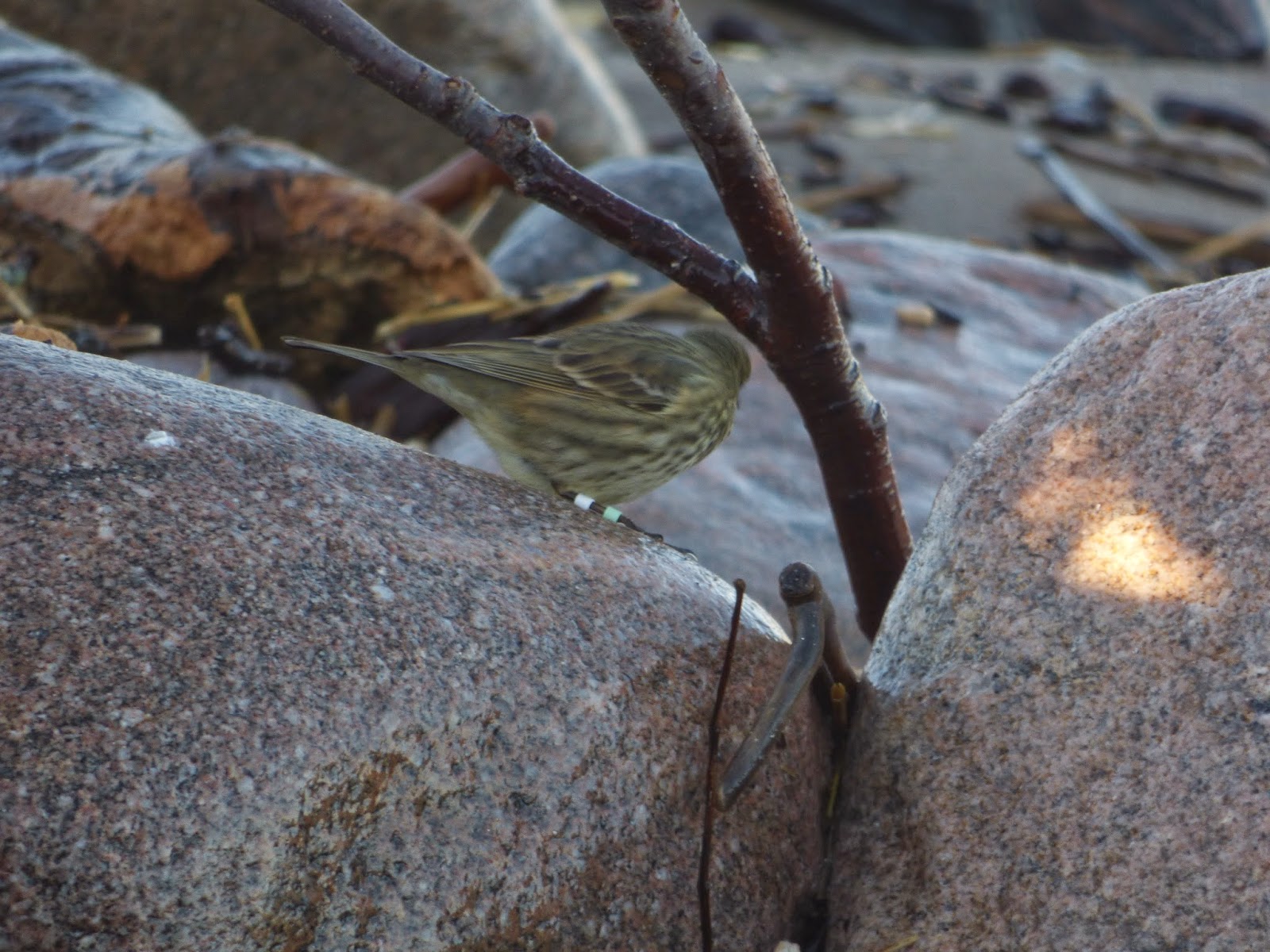
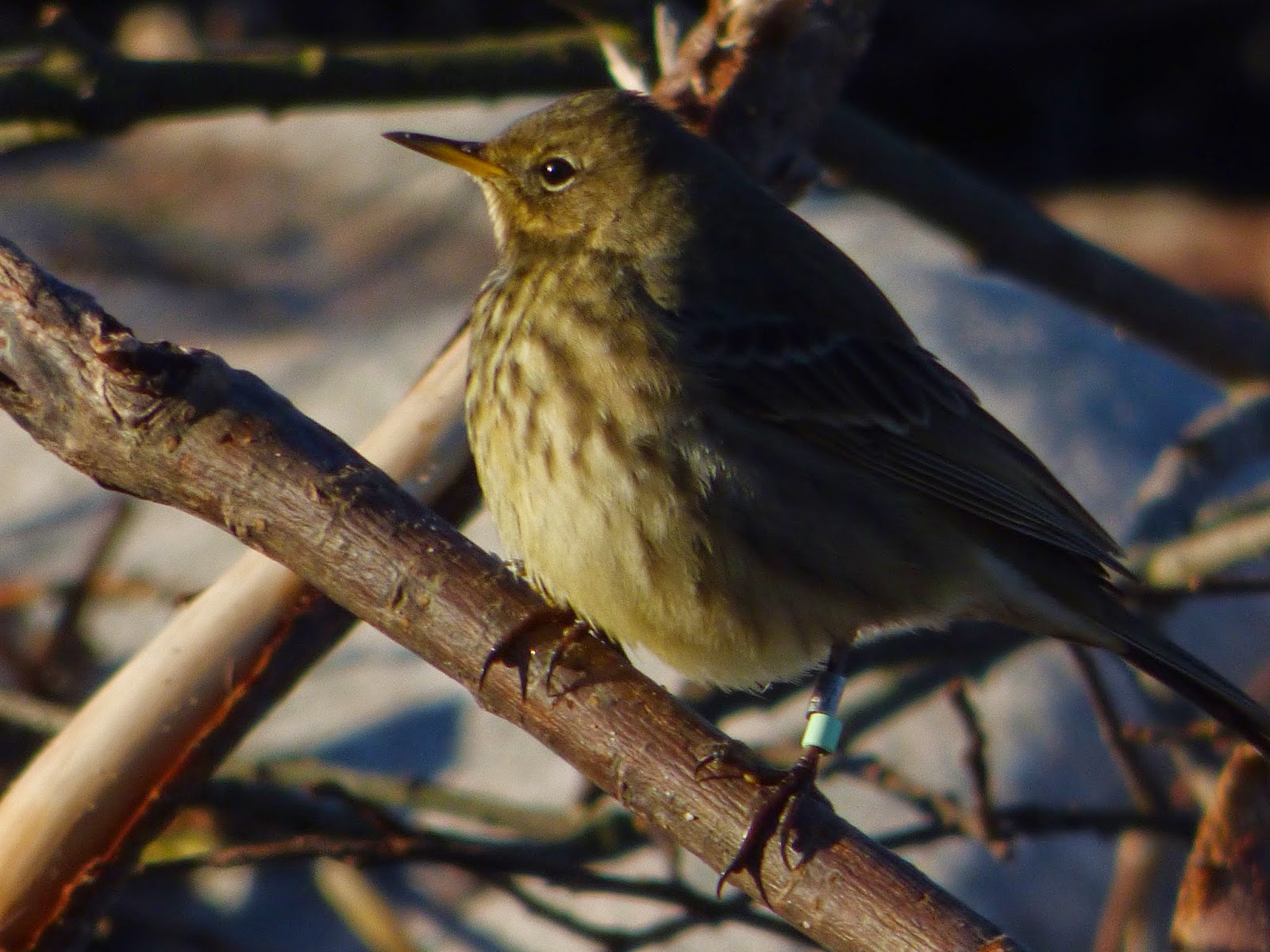
Los bisbitas costeros animaban el camino y entre ellos encontré este que portaba anillas de colores.


La marea estaba alta y las limícolas se reunían en los espigones. Archibebes comunes, ostreros, zarapitos reales... La mejor limícola del día ha sido, sin duda, el correlimos oscuro. Hoy encontré un grupo de unos 200 descansando juntos con otras aves, un número realmente impresionante para esta especie.


Correlimos oscuros


Ostreros

Desde uno de los espigones pude observar un grupo de 15 CISNES CHICOS migrando hacia el sur por encima del mar, realmente bonito.


La guinda del día ha sido ver una lechuza campestre cazando en el campo de golf, una especie que no veía desde hacía 4 años!


English translation of the text:

BEWICK SWANS AND SHORT EARED OWL

Aberdeen continues to come up with surprises, even though today I got back home feeling the day hadn’t been so great birdwise.

Today I’ve been looking round the coast to the south of the city, sites called Nigg Bay and Girdle Ness. This zone is very famous for birds in Scotland, especially passage migrants. This autumn alone it’s chalked up redbreasted flycatcher, barred warbler and many yellow browed warblers. It was the latter I was looking for today.

But I  lucked out. The last record was last Tuesday so they’ve probably moved on now. After checking every bush and tree in vain I made off for the sea a bit disappointed.

The day was sunny but very chilly (maximum of about 7) and quite hardgoing on the beach. But as the day wore on, things bucked up. My main target here on the beach was snow bunting but again I wasn’t lucky.

Rock pipits flitted about the beach; this photographed bird was colour ringed.

The tide was in and the waders were bunched on the groynes. Redshanks, oyster catchers and curlews. But the day’s star wader was purple sandpiper. Today I found a 200-strong flock resting up together with other birds, a really impressive number for this species.

From one of the groynes I spotted a flock of 14 bewick swans flying south low over the sea, a stunning sight in the sunshine.

The icing on the cake was a short-eared owl quartering the golf course, the first one I’ve seen in 4 years!


sábado, 25 de octubre de 2014

FESTIVAL DE HAVELDAS Y COLIMBOS CHICOS

Seguimos teniendo un tiempo bastante desagradble en la costa este de Esocia, no con lluvia pero con mucho viento. Hoy volví a la playa  y, a pesar del mal tiempo, seguía tan activa como siempre, incluso más. Las especies invernantes están empezando a llegar y el mar hierve con vida.

Comencé el día echando un vistazo al río y dsifrutande de las siempre presentes serretas grandes. ¡Qué bichos tan bonitos. No puedo esperar a verlos en plumaje nupcial! Hoy conseguí hacerles alguna foto y un mejor video que el anterior.


Una vez en la playa encuentro varios grupos de aves posadas en el mar, pero bastante lejos. Son grupos mixtos de eiders, serretas grandes, serretas medianas y gaviotas, pero al mirar con más atención encuentro unas 10 aves bastantes más pequeñas. Resultan ser preciosas haveldas! A lo largo de la playa vi un total de 30 y, entre ellas, algún precioso macho.

Las fotos son testimoniales porque el oleaje y la distancia hacían imposible hacer una foto decente.


Parece mentira que estas aves tan pequeñas pasen el invierno entero en el mar, a merced del oleaje y de temporales. Llevaba cuatro años sin ver un havleda y esta es la primera vez que veo un macho en plumaje nupcial. Espero que sea la primera de muchas observaciones.

Mientras esperamos a los escribanos lapones y nivales, los bisbitas costeros nos hacen compañía.


La nota negativa de hoy ha sido encontrar dos focas muertas en la playa, pero el ciclo de la vida es así y el mar del norte es mucho mar del norte!


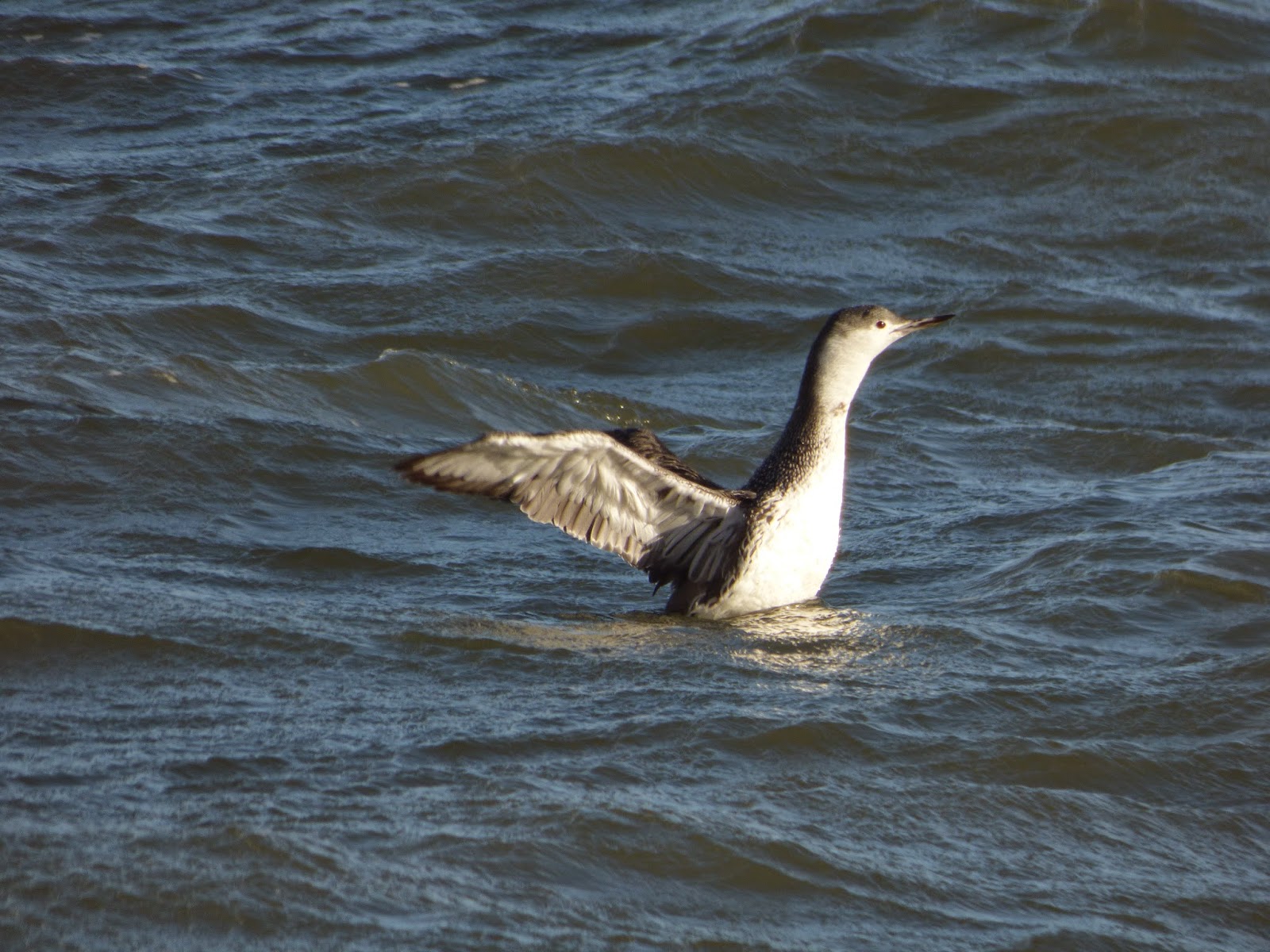
Para no terminar esta entrada con algo negativo os muestro a los otros portagonistas del día, los colimbos chicos. Hoy eran especialmente numerosos (50+) y algunos se acercaron los suficiente para hacerles alguna foto.


English translation of the text:

LONG-TAILED DUCKS AND DIVERS AHOY!

The weather’s still pretty grim on the east coast of Scotland; not much rain but a hell of a lot of wind. Today I went back to Aberdeen beach. Despite the poor weather it’s just as lively as usual, perhaps even more so. Winter species are starting to arrive and the sea is boiling with life.

I started the visit with a quick look at the more sheltered river estuary, enjoying the ever-present goosanders. What beautiful birds they are! I can’t wait to see them in summer plumage! Today I managed to get a couple of snaps and a better video than on the previous visit.

Once on the beach I saw several rafts of seabirds far out on the sea. They were mixed flocks of eiders, goosanders, red-breasted mergansers and gulls. A closer look, however, showed up a group of about 10 smaller birds. Turned out they were long-tailed ducks! Along the beach I found about 30 in all, some gorgeous drakes among them.

The photos are just for the record because the wind, swell, surf and distance made it impossible to get any decent photo.

It’s incredible to think that birds this small spend the whole winter on the sea, at the mercy of waves and storms. It’s been four years since I saw my last long-tailed duck and this is the first time I’ve ever seen a drake in summer plumage. I hope it’s the first of many future sightings.

While waiting for the first Lapland buntings and snow buntings to arrive, the rock pipits keep us company along the beach.

The down note of today was to find two dead seals on the beach. But life is tough at times for these lovely creatures, especially on the North Sea when the tail end of a hurricane has just passed through.


To end on a more upbeat note, I’ll wind up with some photos of the red-throated divers. Today they were especially numerous (50+) and some came close enough for a photo.