Mostrando entradas con la etiqueta Serreta grande. Mostrar todas las entradas

martes, 2 de junio de 2015

De patos árticos a vencejos meditteráneos / From arctic ducks to Mediterranean swifts

Lo bueno de vivir durante el año en tres sitios tan sumamente diferentes como el norte de Escocia (Aberdeen), el centro de España (Extremadura) y el norte de España (Asturias) es que ves una gama muy variada de aves.
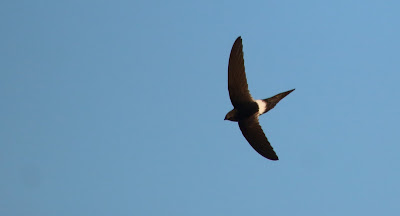


(Vencejo cafre)

Con el permiso de otras delicias como colimbos y charranes, las estrellas de los primeros 8 meses en Aberdeen han sido los patos, con eíderes por un tubo . . .


. . . eider real


 . . . pato arlequín


. . . porrones bastardos 


.
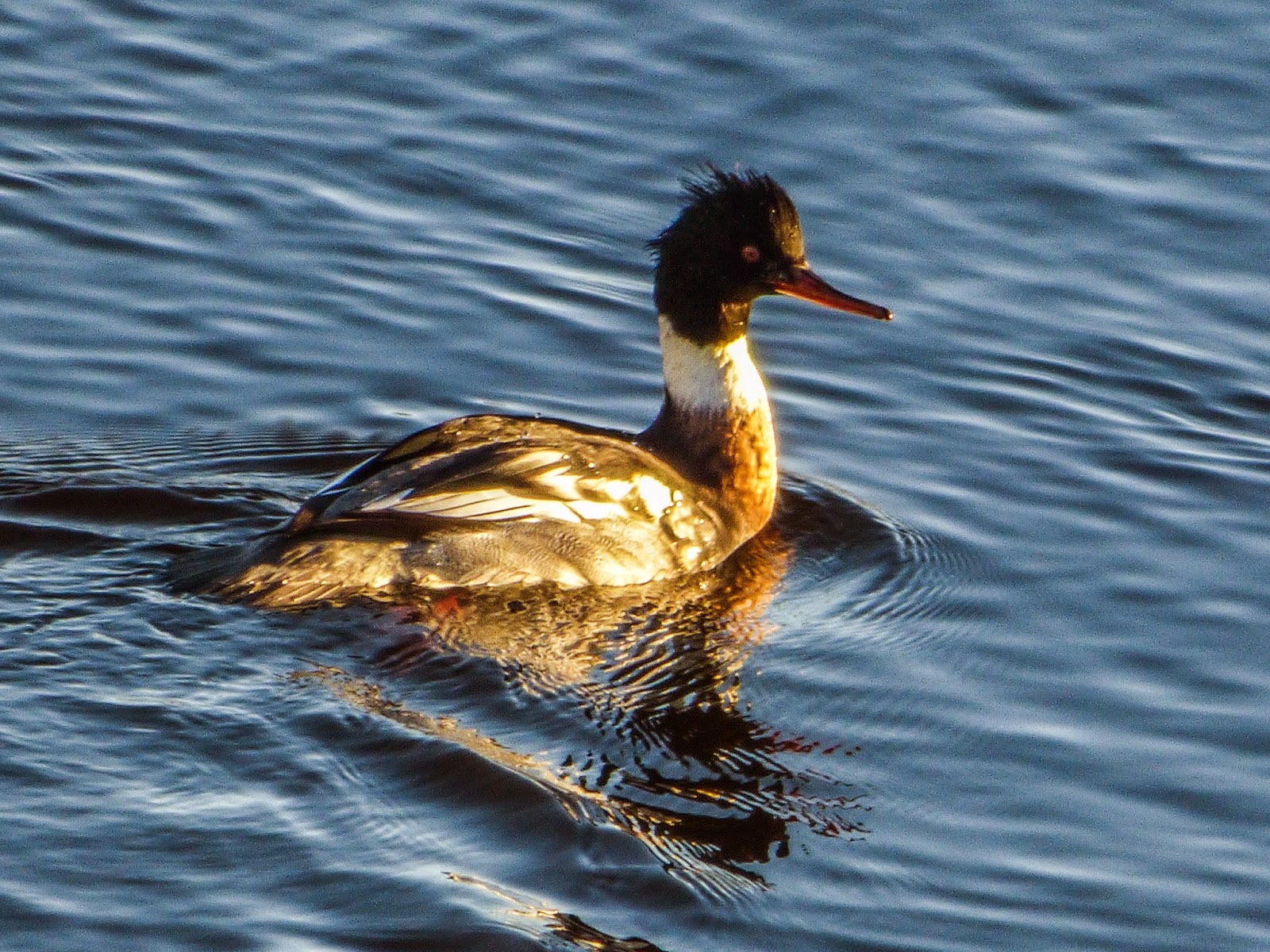
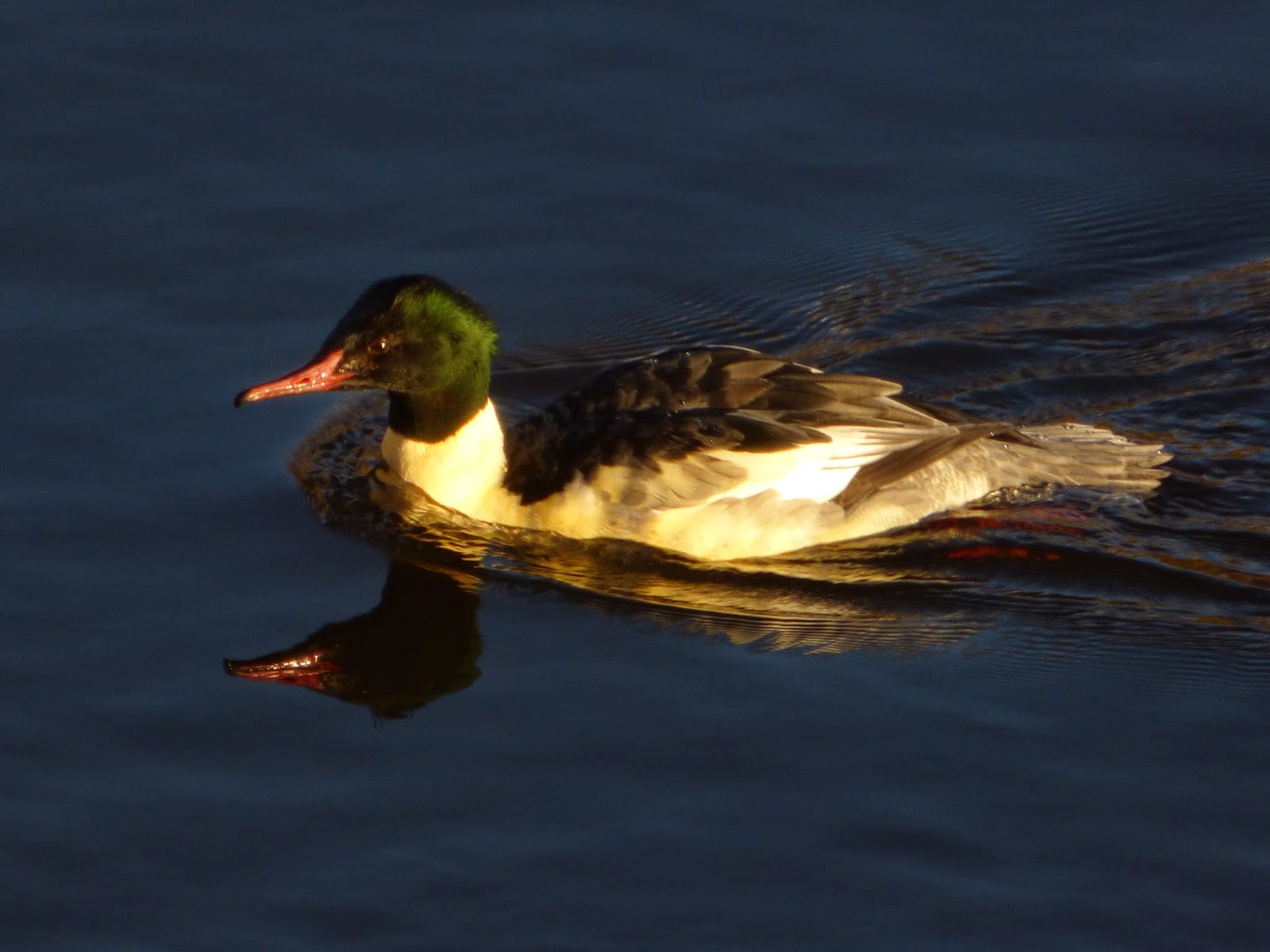
. . . y las tres serretas


Les echaré de menos estos meses de verano.

Cuando salí de Aberdeen la semana pasada los vencejos comunes acababan de llegar para llenar el cielo con sus gritos. Llegado en Extremadura, los vencejos de aquí han sido casi los primeros en llamarme la atención. En esta parte de España hay algunas pocas parejas del Vencejo Cafre. Llegan tarde, como pronto finales de abril, y luego buscan un nido de Golondrina Dáurica para echar al inquilino y apoderarse de una casa ya hecha, poniendo una pluma blanca en la entrada como una bandera de conquista. En vuelo se ve muy bien la forma de vencejo pero con un bonito obispillo blanco.


Mucho más comunes por aquí son los magníficos Vencejos Reales. Son los más grandes de su género y crían tanto en roqueda como en construcciones humanas como puentes y castillos. Son majestuosos voladores:


La semana que viene a Asturias. A ver si nos caen los Alcaudones Dorsirrojos, Treparriscos y Gorriones Alpinos de otros años, que difícilmente se ven en Aberdeen o Extremadura.


English translation of the text:

FROM ARCTIC DUCKS TO MEDITERRANEAN SWIFTS

The best thing about living at different times of the year in three such different places as northern Scotland (Aberdeen), the centre of Spain (Extremadura) and the north of Spain (Asturias) is that you see such a wide range of different birds.

Over and above other delights like divers and terns, the star turns of my first 8 months in Aberdeen have been the various species of arctic and subarctic ducks, with huge rafts of Eiders plus King Eider, Harlequin Duck, Scaup and the three sawbills  . . .

I’ll miss them all this summer.

When I left Aberdeen last week the first Swifts had just arrived, filling the evening skies with their screams. Back in Extremadura, the swift species of hereabouts were among the first to catch my attention. In this part of Spain there are a few scattered pairs of White-Rumped Swifts. They are late arrivers, at the earliest by late April. When they get here they search out a Red-Rumped Swallow’s nest to kick out the rightful owners and set up shop inside, sticking a white feather in the mouth of the taken-over next like a victory pennant. In flight they are obviously swift shaped but sporting a neat white rump.

Much more common around here are the magnificent Alpine Swifts. They are the biggest of their gender and breed both on natural cliffs and rocks and man-made constructions like bridges and castles. They are majestic fliers.


Next week, we’re off to Asturias. Let’s see if this year we’re lucky enough to see the Red-Backed Shrikes, Wallcreepers and Snowfinches of other years, species that are very difficult to see in Aberdeen or Extremadura.

sábado, 21 de febrero de 2015

Gaviota polar, por fín! / White winger!

Después de estar buscando en playas y puerto, por fín ha aparecido la gaviota de alas blancas, en este caso una gaviota polar. Estas latitudes son muy buenas para ellas, viéndose en algunos puertos hasta más de 15-20 juntas (Hiperbóreas y polares), pero hasta el momento me habían dado esquinazo.

Esta mañana decidí dar un muy corto paseo hasta Donmouth y, prácticamente sin buscarla, me la he encontrado en el medio del río. 


Siempre son bonitos los encuentros con estas gaviotas del ártico. No soy muy gaviotero pero he de decir que las gaviotas blancas son de mis aves favoritas.


Solo la pude ver durante uno o dos minutos antes de que desapareciera.

Para terminar esta corta entrada os dejo un foto de un macho de serreta grande que también estaba en el río.


English translation of the text:
ICELAND GULL AT LAST

After searching on beaches and in ports, at last I’ve found my first white-winged gull up here in Aberdeen, in this case an Iceland gull. These latitudes are very good for these gulls, with as many as 15-20 turning up together in ports sometimes (glaucous and Iceland gulls) but up to now they’ve been playing hard to get.

This morning I decided to take a short stroll to Donmouth and, almost without looking for it, I found the Iceland gull in the middle of the river.

It’s always thrilling to come across these arctic gulls. I’m not exactly a gull freak but I must admit that the white wingers rank among my favourite birds.

I could watch it only a few minutes before it flew off.


I’ll wind up this short post with a photo of a nice drake goosander that was also adorning the river this morning.

martes, 20 de enero de 2015

EL SHOW DEL PATO ARLEQUÍN / MORE HARLEQUIN DUCK

Teniendo un ave como el pato arlequín tan cerca de casa es imposible resistirse a ir a verlo, y ya he ido tres días seguidos a disfrutar de este visitante islándico. Con el tiempo empiezas a conocer sus costumbres y esto te da muchas oportunidades para hacerle mejores fotos de las que tenía. El bicho se mueve en unos 400m del río y, normalmente, cuando los canoistas ocupan el río, el pato sube a unos de sus rápidos favoritos y es ahí donde se acerca a muy pocos metros.


Es un pájaro muy activo, siempre está nadando a contracorriente y alimentandose frenéticamente. Cada cierto tiempo se sube a alguna roca para descanar, ya que su forma de alimentarse es muy agotadora.


Una vez que ha descansado unos minutos y se ha arreglado el plumaje, ¡Vuelta al agua!


Es una gozada poder verlo como en su casa, en río con corriente y rápidos muy fuertes. Parece que se ha asentado muy bien. A ver si con suerte se queda con nosotros muuucho tiempo.


(Pose: pato torrentero)

Es un pato treméndamente confiado y, si te sientas en la orilla del río, él mismo viene a verte, colocándose a escasos 2m!!!


Una foto del Arlequín con algo de nieve Aberdoniana


Para terminar la entrada, un par de fotos de otros de habitantes del río que, aunque no tan escasos, son de lo más bonitos, la serreta grande y porrones osculados.


English translation of the text:

When you’ve got a mega like Harlequin Duck on your doorstep it’s impossible to resist the temptation of seeing it often; I’ve now been able to enjoy this Icelandic visitor three days on the trot. With time you begin to learn its habits, improving photo opportunities. The duck moves about within a 400 m stretch of river. When the canoeists take to the river the duck usually moves upstream to one of its favourite rapids, and it’s here where it comes really close.

It’s a very active bird, always swimming against the current in a constant feeding frenzy. Every now and then it hauls out on a rock to rest up from its energy-burning feedings style. After a few minutes resting and preening (which is when it looks most like a Torrent Duck), it slips back into the water to find more food.

It’s a real delight to be able to watch it riding the surf so masterfully and at such close quarters. It seems to be really at home here. With luck it will stay around a lot longer.

It’s terrifically tame and inquisitive. If you just sit quietly on the bank the duck itself seems to mosey over to check you out, coming down to 2m!!!


I’ll wind up this blog post with a couple of photos of other ducks that are frequenting the river at the moment. Although not nearly so rare they are certainly beautiful. The drake goosander I caught in flight and the group of two drake and three duck goldeneyes in a quieter stretch of the river.

viernes, 12 de diciembre de 2014

Se visten de gala...

El invierno ha llegado a Esocia  y pajarear se hace muy duro, especialmente cuando se está cerca de la costa, con el viento golpeándote constantemente.

Con la llegada del invierno la mayoría de las aves acuáticas comienzan a adquirir su precioso plumaje nupcial. En este caso he podido ver como las serretas grandes y medianas han ido sustituyendo su plumaje de eclipse por su plumaje de gala.

A pesar de ser aves comunes en esta zona, son realmente bonitas, sobre todo las serretas grandes.


Macho de serreta mediana


Machos de serreta grande


Estos días ha sido difícil salir a pajarear, no tanto por el tiempo pero también porque estoy en época de exámenes. Los pocos días que he salido el viento era fuerte y el mar estaba bastante revuelto. Esto no deja ver muchas aves, aunque, por lo menos, nos deja bonitas estampas como esta: 


Gaviotas en el oleaje

Para terminar esta entrada os dejo con una foto y un video de los correlimos oscuros del sur de Aberdeen. Este día la temperatura no subió de -2º en todo el día y pasamos muchísimo frío en la costa, aunque siempre merece la pena.


English translation of the text:

COMING OUT OF ECLIPSE

Winter’s come to Scotland and birding is pretty tough right now, especially on the coastline where the wind never stops whipping away at you.

Come winter most of the waterbirds slowly begin to acquire their gorgeous breeding plumage. Both red breasted mergansers and goosanders, for example, are slowly moulting out of eclipse and donning their summer best.

They’re both common birds round here but they are really lovely to watch, especially the goosanders.

The last few days it’s been difficult to get out birding, not only because of the weather but also because I’m currently taking exams. The few days I did get out the wind was fierce and the sea really choppy. This means you don’t see many birds but you do see some lovely seascapes like in these two photos.


I’ll wind up this post with a photo and video of the purple sandpipers that winter on the coast to the south of Aberdeen. On this particular day the temperature never nudged above -2 all day and it was really cold and windy on the coast, but the good thing about round here is that you always see some birds for your pains.

sábado, 8 de noviembre de 2014

Eiders, Havelda, Bastardo.....EL DÍA PERECTO

ES-PEC-TA-CU-LAR, esta es la única manera de describir el día de hoy. Tras una semana con un tiempo terrible, hoy ha sido el primer día que hemos visto el sol, y ¡Menudo día!.

Hoy he ido con un amigo inglés al estuario del rio Ythan, unas 11 millas al norte de Aberdeen. Llegamos allí sobre las 9 de la mañana en un día totalmente soleado y practicamente sin viento. A lo largo de toda la mñana hemos visitado las distintas partes del estuario, comenzando en la zona cerca de la desembocadura.

La primera ave que vimos fue una de las estrellas del día, un precioso macho de porrón bastardo. Lo vimos primero en la orilla contraria y, poco a poco, fue acercándose hasta llegar a donde estábamos nosotros. La luz era perfecta y el ave muy colaboradora. En estas condiciones la Lumix funciona bastante bien y se consigue bastante detalle.


Durante toda la mañana nos sobrevuelan miles de ansares piquicortos que se desplazan hacia los cultivos para alimentarse. Sigo sin acostumbrarme a ver miles; en España tienes suerte si ves uno.

Pude hacer alguna foto y algún video cuando nos sobrevolaban:


Tambien hice un pequeño vídeo de un grupo que nos sobrevoló


Los limícolas también aparecieron y los más llamativos fueron las dos agujas y tres combatientes.


Aguja colipinta 


Combatiente


Aguja colinegra

Mientras nos desplazábamos de un sitio a otro los Escribanos cerillos amenizaban la caminata


Algunos de los patos más abundantes fueron los silbones europeos y las serretas grandes.


Y ahora llegamos al protagonista del día, el Eider. Para mí es el pato perfecto, Si Dios ha creado las aves, el Eider sería la primera que creó y el ganso del Nilo, la última... Hoy encontramos un grupo de unas 500 aves en la zona alta del estuario, en una zona muy calmada y sin viento. Ha sido uno de los mejores momentos del día.

Las aves estaban bastante cerca, aunque la mayoría de ellas estaban dormidas, por lo que tenía que sacar las fotos cuando se despertaban.


Hice un pequeño video para que os hagáis una idea del tamaño del grupo.


Para terminar el día, la guinda del pastel fue encontrar un Havelda entre los Eiders. Una auténtica pasada...


English translation of the text:

EIDERS, LONG-TAILED DUCK, SCAUP . . . the perfect morning’s birding

SPEC-TA-CU-LAR is the only word to describe this morning’s outing. After a week of dreadful weather, today was the first day the sun came out. And what a day it turned out to be!

With an English friend from here called Alex Penn, today we went to the Ythan estuary, about 11 miles north of Aberdeen city. We got there about nine on a totally windless and sunny day. During the morning we visited the different parts of the estuary, starting with the sea end.

Just about the very first bird we saw was one of the stars of the day, a lovely drake scaup. We first saw it on the other side of the river but then it gradually swam over to our side. The light was perfect and the bird very obliging. Under these conditions the Lumix holds its own pretty well, though I’m still looking forward to bringing my reflex here after christmas.

Thousands of pink-footed geese flew over us during the whole morning, on their way to the crop fields to feed. It’s still such a new experience for me to see so many. In Spain you’re lucky to see even one.

I took a few shots of them flying over and also a video so you can hear them as well.

Waders began to turn up, including both godwits (bar-tailed and black-tailed) and ruffs.

Handsome hedgerow yellowhammers brightened up the walk from one part of the estuary to another.

Some of the commonest ducks of the day were wigeon and goosanders

But the commonest of all was the eider, vast rafts of them, most of the drakes in breeding plumage now. For me it’s the perfect duck. If that god bloke created birds, then he started off with the eider while he was still on top form and ended up with the Egyptian goose and Muscovy duck when he was knackered... Today we found a floating flock of about 500 in the sheltered, downriver part of the estuary. Watching them was one of the best moments of the day.

Though pretty close, most of the eiders were sleeping so I had to snap them whenever they woke up.

I did a quick video to give you some idea of the size of the flock. Turn up the sound to hear their marvellous “Franky Howerd” calls.


To end the day on a perfect note we found this lovely long-tailed duck tucked away amongst the eider flock. A real gem to wind up with...